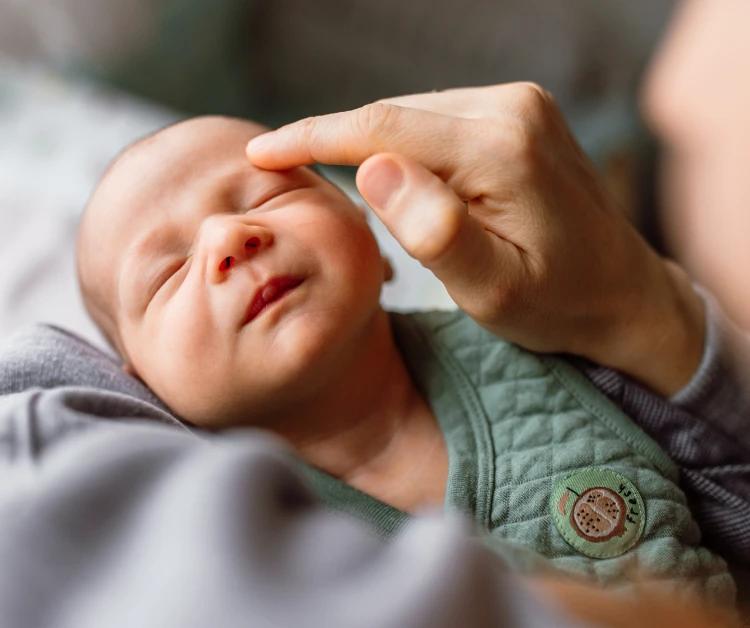
Newborn sniffles? Probably not pollen—newborns rarely get true seasonal allergies yet.
Last Updated On: July 6, 2026
Newborns can have allergy-like issues, but true seasonal allergies are uncommon in the first few months of life.1 It can be worrisome when your baby starts sniffling or being fussy. But when your baby is this young and still growing into their senses, those issues are likely just normal newborn adjustments. Below, we’ll go over when allergies start to develop, signs of allergies in infants, and when to seek care.
No, infants typically don’t get seasonal allergies. This is because they haven’t had enough exposure to triggers like pollen.
Here are some more facts about infants and seasonal allergies:
Here is how to tell if an infant has allergies:
Still not sure if it’s infant seasonal allergies or a cold? Here’s a hot tip: If your baby’s running a fever, that’s usually a clear sign of infection, not infant seasonal allergies.
Allergies typically develop later in infancy or toddlerhood after repeated exposure to environmental triggers, usually around age 3 or 4 years.1 During newborn development, the immune system is still learning, so it hasn’t grown to recognize pollen as something to react to yet.
When it does start flagging pollen as an attacker in the body, your baby will start showing indicators. Often, these issues show up seasonally, such as in early spring when flowers start blooming.
Family history is also a risk factor. And when both parents have allergies? The chances are even greater of the baby developing them eventually, too.1 Whether your baby is at risk for allergies or you’re just being cautious, partnering with your pediatrician can help you minimize their discomfort.
Always err on the side of caution if your baby has out-of-the-ordinary experiences. Call your pediatrician for:4
Newborn sniffles rarely signal allergies, but knowing what to look for eases worry while you support their growing immune system and gut microbiome. Know what the gut microbiome depends on? Quality nutrition, which you can provide when you choose to breastfeed your baby, or if it’s not possible, a formula like Enfamil NeuroPro Infant Formula, which has complete nutrition with DHA for immune and brain development. Enfamil Family Beginnings® has even more tips for choosing the right formula for your baby, so join today to take advantage of free samples.
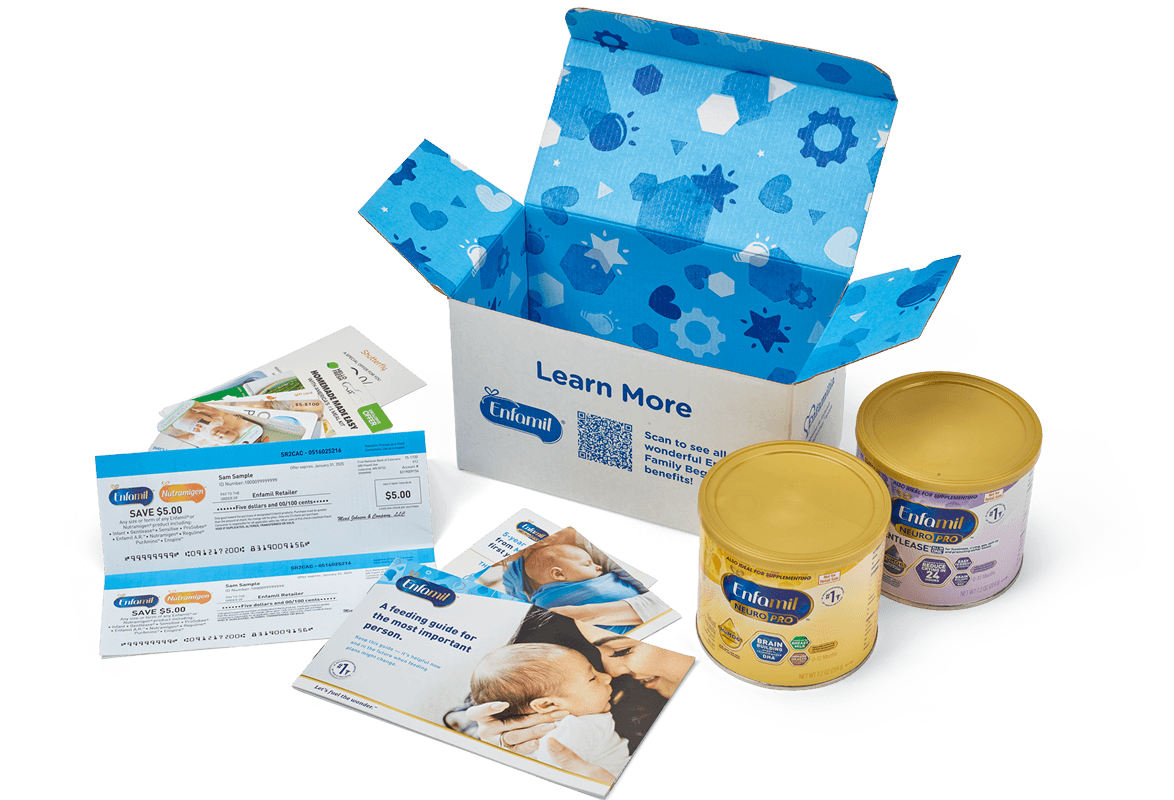
As with most things, practice makes perfect—and rest assured, you’ll get plenty of diaper-changing practice those first couple of years. In no time you’ll be a pro and be able to tackle your baby’s diaper with confidence. For more tips and resources on all things baby, including nutrition and feeding, be sure to join Enfamil Family Beginnings®. Enjoy up to $400 in savings, plus exclusive rewards, support, and surprises.
All information on Enfamil, including but not limited to information about health, medical conditions, and nutrition, is intended for your general knowledge and is not a substitute for a healthcare professional's medical identification, advice, or management for specific medical conditions. You should seek medical care and consult your doctor or pediatrician for any specific health or nutrition issues. Never disregard professional medical advice or delay seeking medical treatment, care, or help because of information you have read on Enfamil.
.png&w=3840&q=75)