
Your newborn's first cries and eye locks are already emotional milestones. Here’s what other milestones you can look forward to!
Last Updated On: June 4, 2026
Emotional milestones for newborns begin with the basics, like crying, bonding, and responding to familiar voices. It can be exciting to see them starting to react to their environment but may have you wondering if your baby's behavior is normal. You might be wondering if it’s normal for your baby to cry as often as they do. In most cases, probably.
Emotional development in infancy unfolds gradually. We’ll go over key milestones by age so you know what to expect, as well as the best ways to support infant social-emotional development.
Emotional development is how babies learn to express feelings, recognize emotions in others, and form secure attachments.
Key aspects of early emotional development in infants include:
These steps happen naturally through daily care, no special equipment required.
What are emotional milestones for a newborn? Here’s a quick look at the biggest milestones you might see from birth to 3 months. Just keep in mind, every baby develops differently. Don’t panic if you haven’t reached a certain milestone by a certain time.
Consistent, responsive caregiving is the most important way to support your infant’s social-emotional development. Here are some infant development activities you can try:
From first cries to gummy grins, emotional changes in infancy can be one of the most fulfilling parts of watching them grow up. Nutrition supports brain growth that powers these milestones, so formulas like Enfamil NeuroPro Infant Formula have DHA and MFGM to support their development. For even more help with infants and emotions, join Enfamil Family Beginnings®. You’ll have access to milestone trackers, feeding guidance, and expert resources that celebrate every emotional step your baby takes.
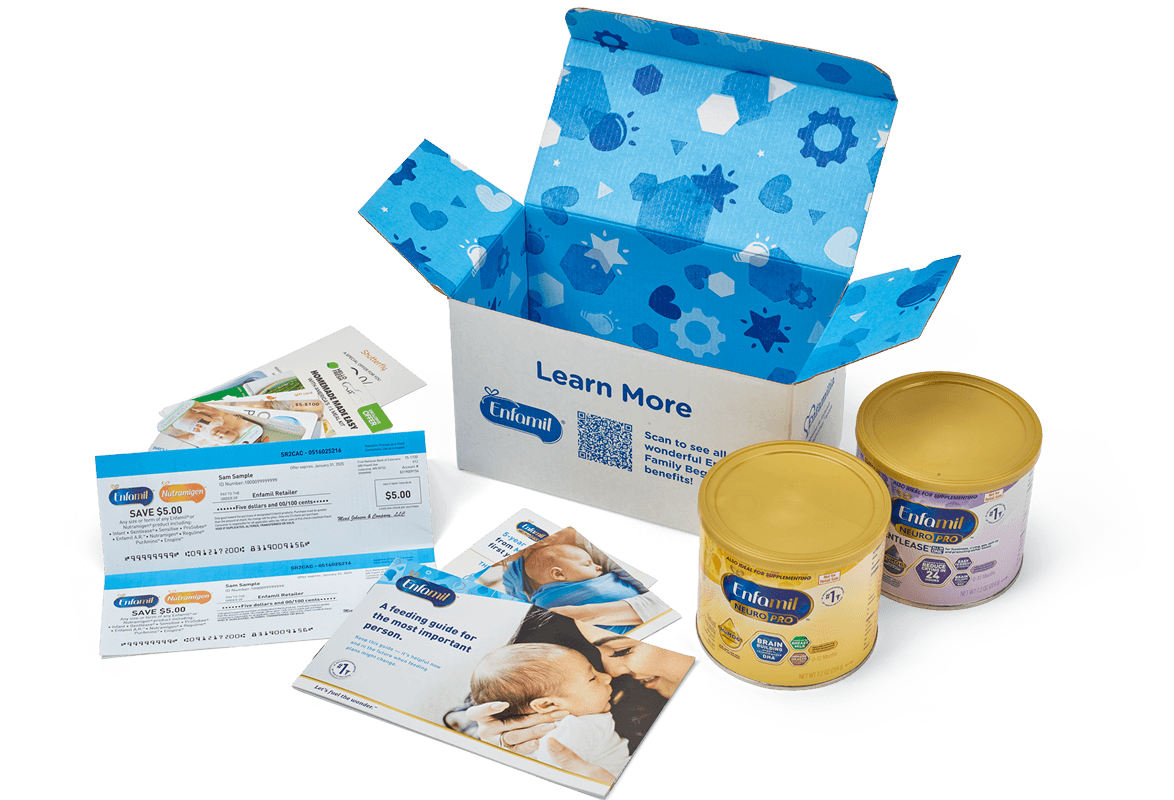
As with most things, practice makes perfect—and rest assured, you’ll get plenty of diaper-changing practice those first couple of years. In no time you’ll be a pro and be able to tackle your baby’s diaper with confidence. For more tips and resources on all things baby, including nutrition and feeding, be sure to join Enfamil Family Beginnings®. Enjoy up to $400 in savings, plus exclusive rewards, support, and surprises.
All information on Enfamil, including but not limited to information about health, medical conditions, and nutrition, is intended for your general knowledge and is not a substitute for a healthcare professional's medical identification, advice, or management for specific medical conditions. You should seek medical care and consult your doctor or pediatrician for any specific health or nutrition issues. Never disregard professional medical advice or delay seeking medical treatment, care, or help because of information you have read on Enfamil.
.png&w=3840&q=75)