
Your baby's gut health plays a huge role in their overall well-being, influencing digestion, immune function, and brain development.
Your baby's gut health is key to their overall development and well-being. From helping with digestion to boosting immunity, it lays the foundation for their lifelong health. Understanding how the gut develops, what influences it, and how to nurture it can help you make choices that support a happy, healthy digestive system for your little one. This guide will walk you through everything you need to know about infant gut health and how you can support it from day one.
Infant gut health is all about the balance of microorganisms in your baby's digestive system. This is called the gut microbiome, and it plays an important role in digestion, immunity, and overall development.
At birth, a baby's gut starts filling up with beneficial bacteria, influenced by factors like birth method (C-section or vaginal birth) and how they’re fed. A healthy gut microbiome helps your baby digest milk or formula and supports their developing immune system.
Gut health matters for your little one’s daily comfort and long-term health. The gut supports proper digestion, builds a strong immune system, and helps the brain.
Key benefits of a healthy gut microbiome:
Your baby's gut and brain are chatting all the time along what scientists call the gut-brain axis. This two-way street means that what happens in your baby's gut can influence their developing brain, and vice versa.
A healthy, diverse gut microbiome during infancy may support brain development and influence your baby's temperament. Studies suggest that early gut health may have long-lasting effects on brain function, making those first months of life particularly important for establishing a healthy microbiome.
Your baby's digestive system grows and changes a lot during the first year.
Birth to 3 months: A newborn’s gut starts developing bacteria through skin-to-skin contact and their first feeding. The digestive system is still maturing, so it's normal to have frequent feedings and a bit of gas or fussiness.
3 to 6 months: The gut microbiome becomes more stable and diverse, improving digestion and reducing digestive issues.
6 to 12 months: Introducing solid foods further diversifies the microbiome. The gut lining develops, boosting nutrient absorption and immune function.
A few key steps in gut development include:
By supporting your baby's gut at each stage, you're giving them a great start for lifelong digestive and immune health that can last their whole life.
Here are practical steps you can take to help your little one’s microbiome thrive:
| Dos | Don'ts |
|---|---|
| Breastfeed when possible, or choose formula with prebiotics | Over-sanitize your home |
| Allow supervised tummy time for digestion | Give antibiotics unless prescribed |
| Introduce a variety of foods when starting solids | Rush starting solids |
| Keep up with regular pediatrician visits | Ignore signs of digestive discomfort |
You don’t need a microscope to spot some signs of gut trouble. Often, you’ll see them in patterns over time.
Signs of healthy digestion include:
You’ll want to speak with a pediatrician if your baby has:
Antibiotics kill harmful bacteria, but they can also disrupt the beneficial bacteria in your baby's gut. This sometimes means less variety in the microbiome and may lead to issues like diarrhea. Thankfully, most babies' gut microbiomes are resilient and bounce back over time.
If your baby needs antibiotics:
Remember, antibiotics can be lifesaving. Just make sure to use them only when necessary, and support your baby's gut health during recovery.
Getting your baby's gut health off to a good start can set them up for lifelong well-being. A healthy gut microbiome helps with digestion, immunity, and much more.
Enfamil formulas are designed with gut health in mind, featuring ingredients like prebiotics and nutrients to support digestion and brain development.
Want to learn more about infant gut health? Join Enfamil Family Beginnings® for expert guidance, helpful resources, and exclusive offers for you and your baby.
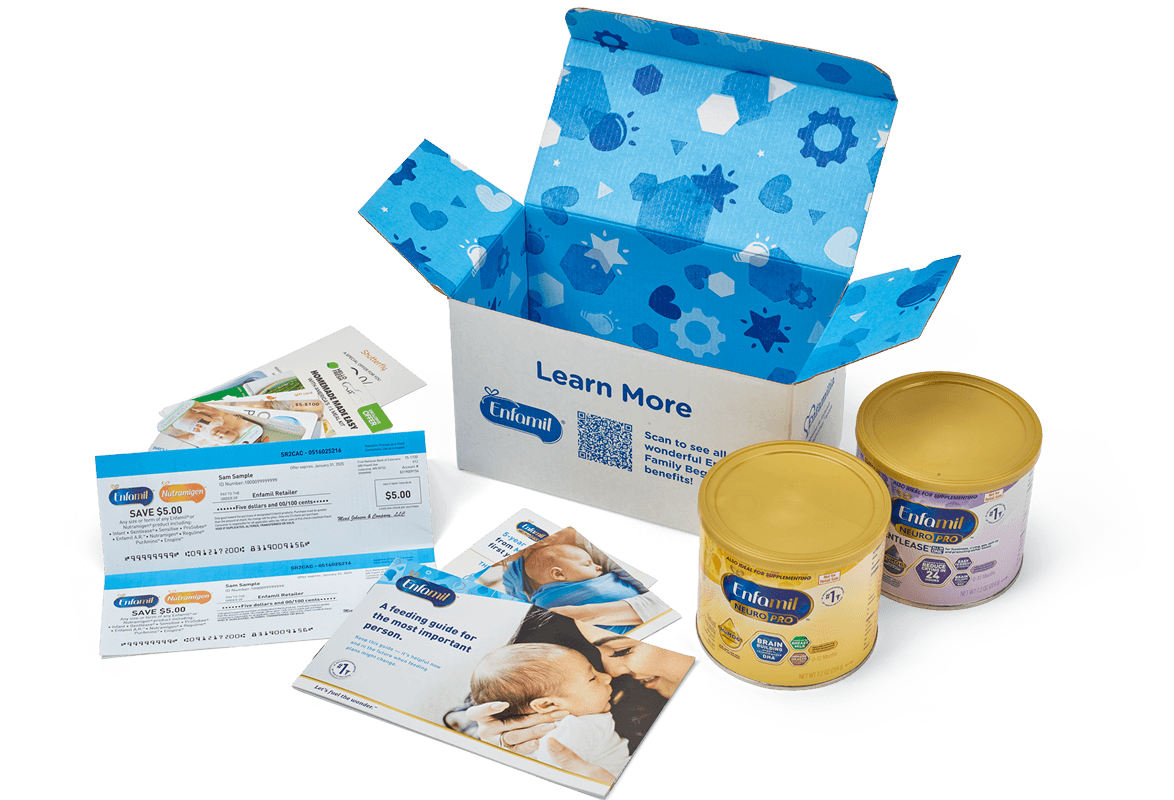
As with most things, practice makes perfect—and rest assured, you’ll get plenty of diaper-changing practice those first couple of years. In no time you’ll be a pro and be able to tackle your baby’s diaper with confidence. For more tips and resources on all things baby, including nutrition and feeding, be sure to join Enfamil Family Beginnings®. Enjoy up to $400 in savings, plus exclusive rewards, support, and surprises.
All information on Enfamil, including but not limited to information about health, medical conditions, and nutrition, is intended for your general knowledge and is not a substitute for a healthcare professional's medical identification, advice, or management for specific medical conditions. You should seek medical care and consult your doctor or pediatrician for any specific health or nutrition issues. Never disregard professional medical advice or delay seeking medical treatment, care, or help because of information you have read on Enfamil.
.png&w=3840&q=75)