
Supporting your baby’s immune system starts with the right nutrition from day one.
Last Updated On: May 19, 2026
The infant immune system is a developing network of cells that protects babies from germs like bacteria and viruses. It’s less experienced than mom and dad’s immune systems, which have had years of practice identifying attackers. But that doesn’t mean it’s weak—far from it! Babies are in overdrive building immune defenses, and getting the right nutrition can support their gut health and help them along the way.
Babies aren’t starting from zero. They have immune systems at birth, but those systems are still maturing. Think of it less as “weak” and more as “in training.”
Here are the key aspects of the immune system in infants:
Because your infant's immune system is still finding its legs, frequent mild illnesses—like colds or runny noses—can be part of normal infant immune system development, especially once babies are around more people.
The infant immune system changes in stages rather than flipping on like a switch. Knowing the general timeline can help you understand what’s typical.
Throughout all of these stages, the gut plays a central role. A large portion of immune cells live in and around the digestive tract, so the baby gut microbiome is closely linked to how the immune system develops and responds.
Nutrition provides the building blocks that help the immune system grow and adapt. If you’re wondering how to support an infant’s immune system, you’ll want to make sure they’re getting these key nutrients:
Infant formulas from Enfamil are formulated to provide complete everyday nutrition, including vitamins and minerals that support normal immune development as part of an overall feeding plan. Enfamil Optimum is also the first and only leading brand to have lactoferrin, which can support your baby’s immune system.4
Your baby’s immune system is learning and adapting with every week that passes. Early nutrition (including prenatal vitamins) gives that system many of the tools it needs to grow. Another way to support your baby’s growing immune system is by joining Enfamil Family Beginnings®. It can connect you with nutrition resources, practical guidance, and savings that support your baby’s immune journey as it grows from first defenses into long-term protection.
1. Basha S, Surendran N, Pichichero M. Immune responses in neonates. Expert Rev Clin Immunol. 2014;10(9):1171-1184. https://doi.org/10.1586/1744666x.2014.942288↗
2. https://asm.org/articles/2024/september/baby-immune-systems-not-immature-just-different↗
3. https://royalsocietypublishing.org/rspb/article/282/1821/20143085/77935/Evolution-of-the-immune-system-in-humans-from↗
4. A. Katharina Simon, Georg A. Hollander, Andrew McMichael; Evolution of the immune system in humans from infancy to old age. Proc Biol Sci 1 December 2015; 282 (1821): 20143085. https://doi.org/10.1098/rspb.2014.3085↗
5. https://www.mayoclinic.org/diseases-conditions/primary-immunodeficiency/symptoms-causes/syc-20376905↗
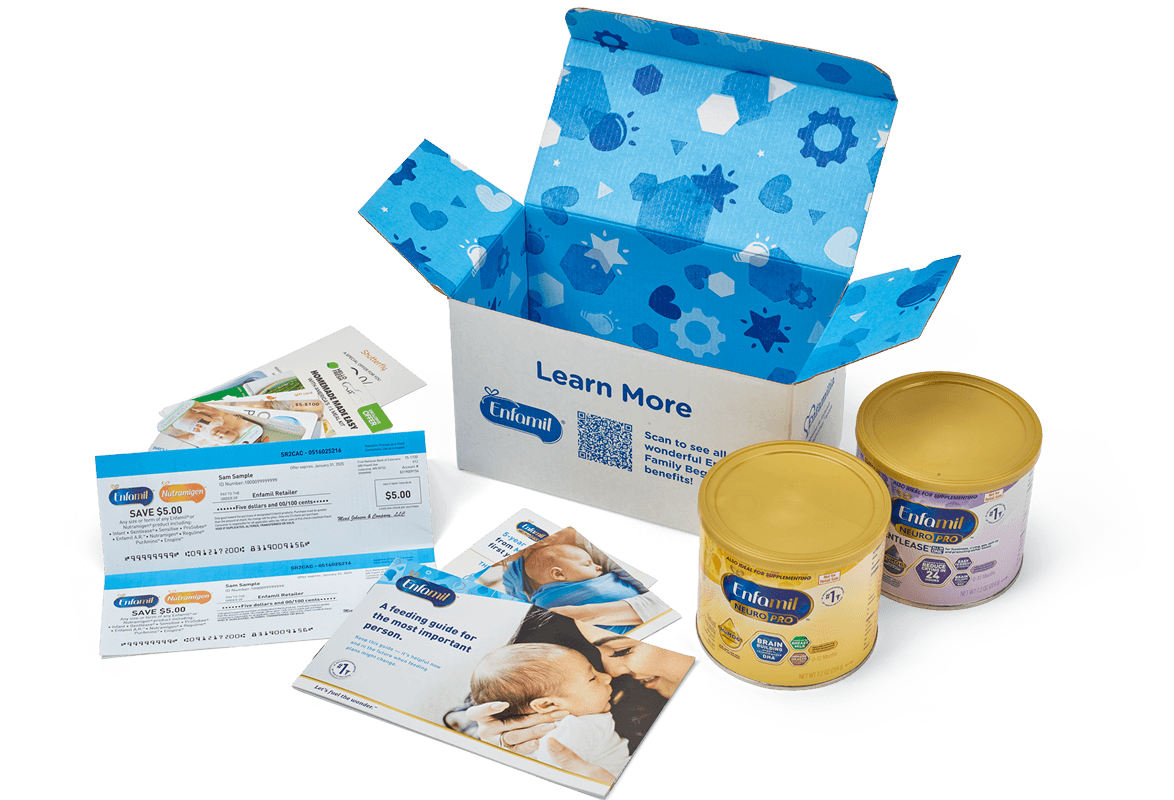
As with most things, practice makes perfect—and rest assured, you’ll get plenty of diaper-changing practice those first couple of years. In no time you’ll be a pro and be able to tackle your baby’s diaper with confidence. For more tips and resources on all things baby, including nutrition and feeding, be sure to join Enfamil Family Beginnings®. Enjoy up to $400 in savings, plus exclusive rewards, support, and surprises.
All information on Enfamil, including but not limited to information about health, medical conditions, and nutrition, is intended for your general knowledge and is not a substitute for a healthcare professional's medical identification, advice, or management for specific medical conditions. You should seek medical care and consult your doctor or pediatrician for any specific health or nutrition issues. Never disregard professional medical advice or delay seeking medical treatment, care, or help because of information you have read on Enfamil.
.png&w=3840&q=75)