Your baby’s tiny tummy goes through big changes in the first year of life. From their very first feeding to trying solids, their digestive system is learning and growing right along with them. Understanding how your baby’s digestion develops can help you feel more confident during feedings and better prepared for the bumps (and gassy grumbles) along the way.
A baby’s digestive system begins forming in the womb but continues to develop long after birth. In the early months, it’s common for babies to experience gas, spit-up, or irregular bowel movements. That’s because their digestive system is still maturing.
Here’s a general timeline of how the baby digestive system grows and changes1:
Every baby is different, and digestive development doesn’t happen overnight. With patience, care, and supportive nutrition, your baby’s tummy can grow stronger every day!
Every baby is different, and it’s normal for little tummies to need some time to adjust in the early months. If your baby is experiencing digestive discomfort, you're not alone. Here's a quick guide to some common tummy troubles and how you can help ease them.
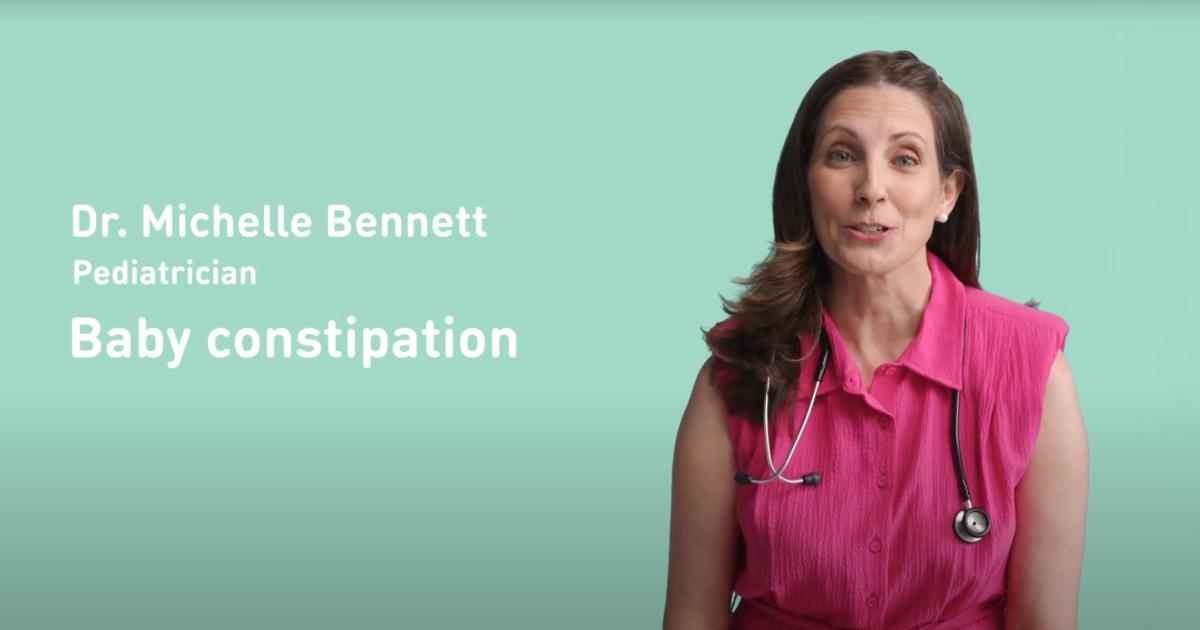
It’s not uncommon for babies to have trouble pooping, especially as their digestive system develops. Difficulty pooping may show up as infrequent or hard stools, and sometimes fussiness.
How you can help: A gentle belly massage, a warm bath, or a formula designed to support digestive health may offer relief. Learn more about easing constipation.
Gassy babies are more common than you might think! Gas can cause discomfort and extra fussiness, but it’s usually not a cause for concern.
How you can help: Burping your baby during and after feedings can reduce swallowed air. Certain bottle types and feeding techniques may also help. Explore tips to manage gas.
Some babies have an allergy to the protein found in cow’s milk, which can lead to digestive issues, skin rashes, or even more serious symptoms.
How you can help: If you suspect a milk allergy, talk to your pediatrician. A hypoallergenic formula may be recommended. Get the facts on milk allergy.
Some infants without a food allergy can still be sensitive to milk and can experience gassiness, fussiness, or loose stools. Ask your pediatrician about what kinds of gentle formulas could be right for your little one.
How you can help: Babies with sensitivities may benefit from a gentle, easy-to-digest formula. See options for milk sensitivity.
Spitting up is a common part of early feedings, but frequent spit-up can sometimes signal reflux.
How you can help: Feeding your baby upright and using a formula designed to reduce spit-up may help. Read more about managing reflux.
Every baby’s tummy is unique, and occasional digestive discomfort is a normal part of development. The good news? There are simple, gentle ways to help ease digestion and keep your little one feeling more comfortable.
Babies naturally swallow air while feeding, which can lead to gas and fussiness. Try burping your baby:
Keeping your baby in a more upright position during and after feedings can help reduce spit-up and support smoother digestion. You can also:
Some babies may benefit from a formula designed with digestion in mind. Enfamil offers several gentle options, including:
Babies are born with developing digestive systems that continue to grow and strengthen throughout their first year—and beyond. While every baby is different, most digestive systems begin to mature significantly by 6–9 months, with more complete development by 12–24 months.
Your baby’s digestive system is growing and changing every day. While some tummy troubles are a normal part of development, there are plenty of ways to support your little one—from gentle feeding practices to choosing the right nutrition.
Remember:
Frequently Asked Questions About Baby Digestive System Development
1. Bhatia A, Shatanof RA, Bordoni B. Embryology, Gastrointestinal. [Updated 2023 May 1]. In: StatPearls [Internet]. Treasure Island (FL): StatPearls Publishing; 2025 Jan-. Available from: https://www.ncbi.nlm.nih.gov/books/NBK537172/↗

As with most things, practice makes perfect—and rest assured, you’ll get plenty of diaper-changing practice those first couple of years. In no time you’ll be a pro and be able to tackle your baby’s diaper with confidence. For more tips and resources on all things baby, including nutrition and feeding, be sure to join Enfamil Family Beginnings®. Enjoy up to $400 in savings, plus exclusive rewards, support, and surprises.
Join NowAll information on Enfamil, including but not limited to information about health, medical conditions, and nutrition, is intended for your general knowledge and is not a substitute for a healthcare professional's medical identification, advice, or management for specific medical conditions. You should seek medical care and consult your doctor or pediatrician for any specific health or nutrition issues. Never disregard professional medical advice or delay seeking medical treatment, care, or help because of information you have read on Enfamil.
.png&w=3840&q=75)