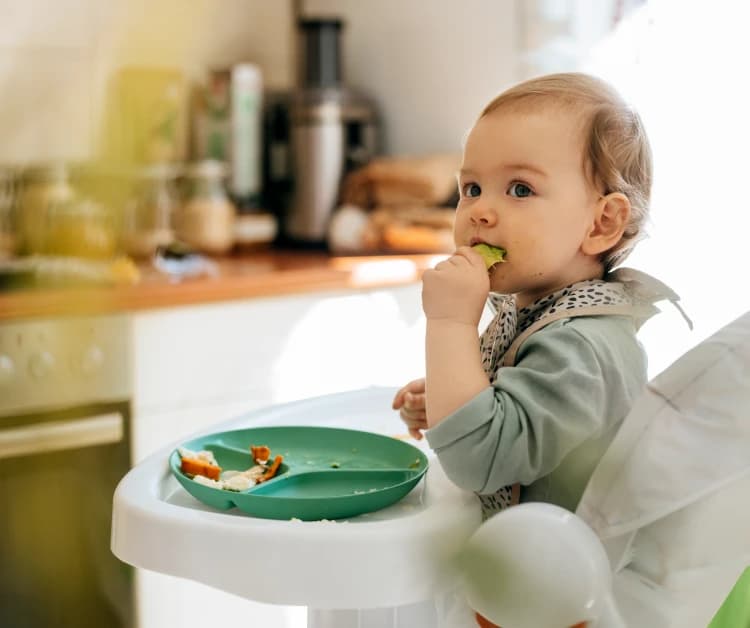
Knowing how to help a toddler gain weight means you won’t have to turn every meal into a battle.
Last Updated On: August 31, 2026
Toddler growth can move in spurts, so weight gain does not always look steady from month to month. Don’t automatically panic if your toddler isn’t hitting their growth milestones.
That said, there are a number of reasons your toddler’s weight gain may be off:
In general, a toddler should have between 1,000 to 1,400 calories a day, depending on their size, age, and activity level.2
You can calculate a more specific calorie level for your child by multiplying your child’s height in inches by 40 calories. For example, a child who is 30 inches tall may require 1,200 calories a day.3
But rather than being hyper-focused on exact numbers, strive for consistent eating patterns throughout the day. Three small meals and two to three snacks at regular intervals give your toddler multiple opportunities to fulfill their nutritional needs without relying on any single large meal.
If your toddler is losing weight or not gaining as they should be, you should talk to their pediatrician. Here are some tips that may help them eat more.
When you're trying to help a toddler gain weight, meal frequency matters as much as what's on the plate. Aim for three meals and two to three snacks spread throughout the day so your toddler doesn’t have to take in large amounts at once. And try not to skip meals, as your toddler may not have the stomach space to “make it up” later.
Nutrient-dense foods give your toddler calories plus key nutrients in the same bite. That matters because the goal is not just to add calories, but to support healthy growth and development. A balanced plate usually works better than trying to load up on empty calories alone.
Mealtime pressure can backfire fast, especially with toddlers who already prefer control. Instead of pushing bites, keep a calm routine and let your toddler decide how much to eat from the foods you offer.
Variety also matters. Repeating familiar foods while still offering new ones can help your toddler stay open to eating more over time.
The best foods for toddler weight gain are usually high-calorie and nutrient-dense at the same time. Think of foods that add nutrition without needing a huge portion, such as:
Talk to your pediatrician about your toddler’s weight gain if:
Remember: it's always okay to ask your pediatrician if you have questions, even if you don’t think it’s serious.
Figuring out how to get a toddler to gain weight can feel stressful, but most of the time, the answer lies in small, consistent changes. Give your little one more frequent meals with more calorie-dense foods, and keep things low-pressure. For even more help making mealtime better, join Enfamil Family Beginnings. The free program can help you find practical feeding tips, toddler nutrition resources, and simple ways to stay on track as your child grows.
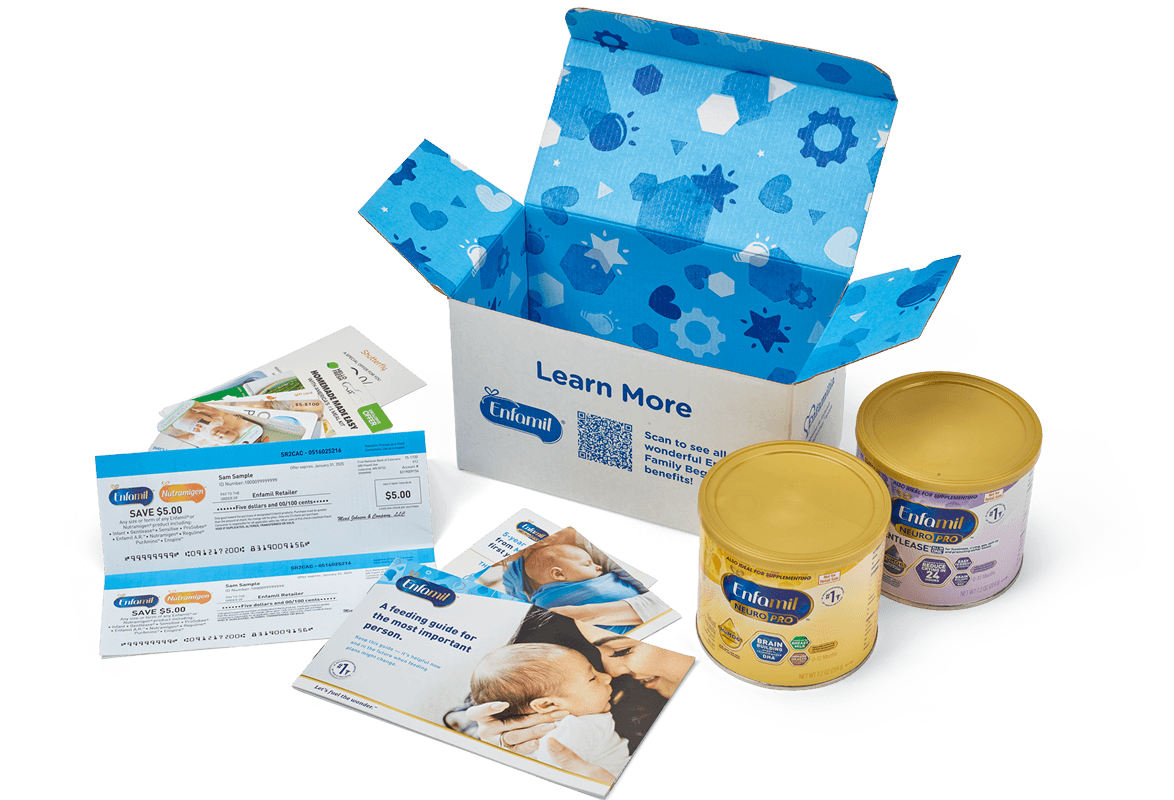
As with most things, practice makes perfect—and rest assured, you’ll get plenty of diaper-changing practice those first couple of years. In no time you’ll be a pro and be able to tackle your baby’s diaper with confidence. For more tips and resources on all things baby, including nutrition and feeding, be sure to join Enfamil Family Beginnings®. Enjoy up to $400 in savings, plus exclusive rewards, support, and surprises.
All information on Enfamil, including but not limited to information about health, medical conditions, and nutrition, is intended for your general knowledge and is not a substitute for a healthcare professional's medical identification, advice, or management for specific medical conditions. You should seek medical care and consult your doctor or pediatrician for any specific health or nutrition issues. Never disregard professional medical advice or delay seeking medical treatment, care, or help because of information you have read on Enfamil.
.png&w=3840&q=75)