
Your baby's first poop, called meconium, looks weird and sticky, but it's totally normal and a sign their digestive system is kicking off right.
Last Updated On: July 24, 2026
Meconium is the name for your baby’s first poop. It comes from a Greek word meaning “poppy juice.” It’s made from content they swallowed in the womb, like lanugo (fine baby hair), amniotic fluid, mucus, and cells from their intestines.1
This thick, dark poop clears out their digestive tract right after birth. It’s totally normal—and even a thing to celebrate! However, in some cases, it can occur before birth, which may require additional attention.
Newborns typically pass meconium poop within the first 24-48 hours after birth.2 Many do it in the delivery room or their first hospital diaper. However, meconium can occasionally be passed in utero before birth.
A newborn's first feces are an important early sign that their bowels are functioning.
A baby’s first poop can look greenish-black, brown, or yellow. Typically, it has a sticky, tar-like texture. It’s way different than a normal poo. The odor is generally milder than a normal poop, too.
Meconium usually lasts for three or so days after birth.3 As your baby cleans out their gut and starts feeding on breast milk or formula, they’ll transition to regular stool.
As the newborn meconium makes its way out of your baby’s system, their stool should start to turn brighter green.3 Transition stools get lighter and lighter until they eventually turn yellow and grainy. They may even look like mustard!
However, don’t be shocked if your baby’s poop is another color, especially if you’re using formula. Some formulas can turn a baby’s poop black. Poop can also appear black or dark green due to iron supplementation. They might even have black poop if your nipples have been bleeding while breastfeeding.3 If you’re ever in doubt, give your pediatrician a call.
Here’s the thing: meconium is sticky. Really sticky. The first poop of a newborn is notoriously difficult to clean up, so here are some diaper-changing tips to get it done:
If your baby hasn’t passed meconium stool 48 hours after birth, give your pediatrician a call.2 There are many things that could delay the passage of meconium, so don’t automatically be alarmed. Other indications you will want to ask a pediatrician about include:3
Trust your gut on stool issues that look off—it’s better to check than worry.
Now that you know what meconium is and why it's completely normal, you can feel more prepared for what to expect in your baby's first diaper. You've got this, and so does your little one! For even more guidance on your baby’s stool evolution, Enfamil Family Beginnings has poop charts, feeding schedules, and real parent support. Sign up for tips that make those first weeks less overwhelming.
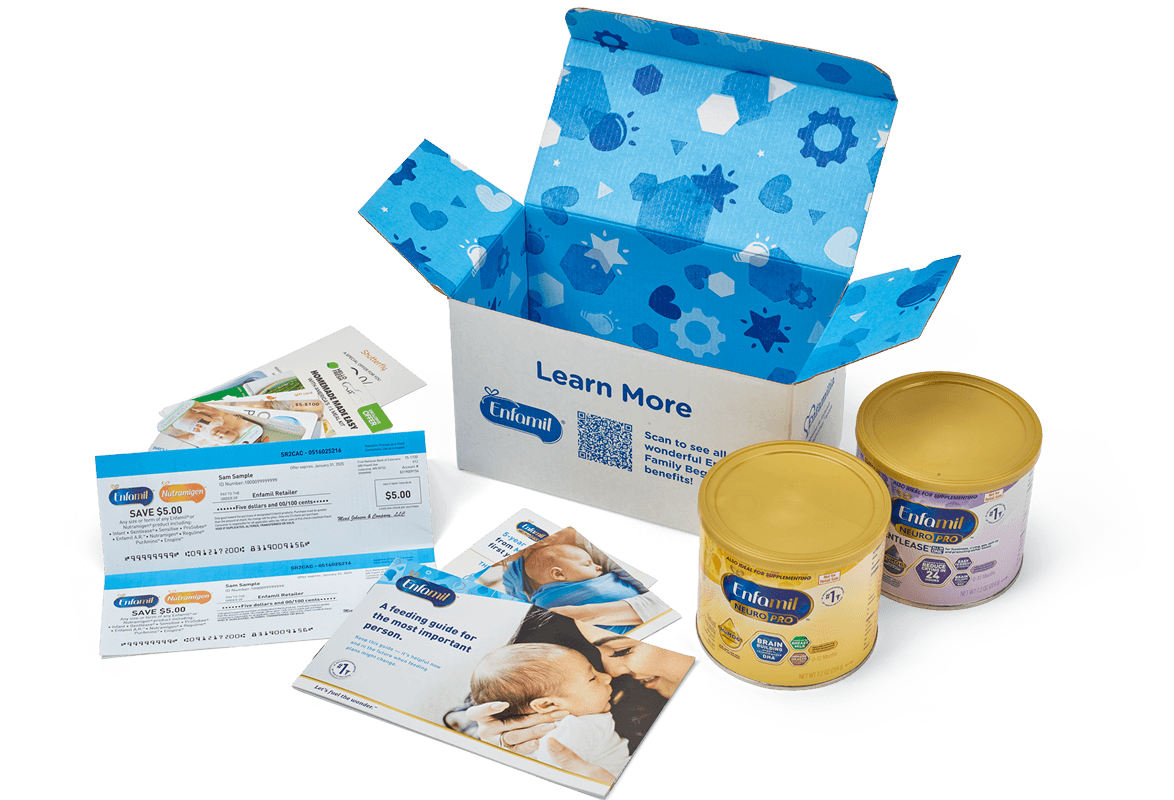
As with most things, practice makes perfect—and rest assured, you’ll get plenty of diaper-changing practice those first couple of years. In no time you’ll be a pro and be able to tackle your baby’s diaper with confidence. For more tips and resources on all things baby, including nutrition and feeding, be sure to join Enfamil Family Beginnings®. Enjoy up to $400 in savings, plus exclusive rewards, support, and surprises.
All information on Enfamil, including but not limited to information about health, medical conditions, and nutrition, is intended for your general knowledge and is not a substitute for a healthcare professional's medical identification, advice, or management for specific medical conditions. You should seek medical care and consult your doctor or pediatrician for any specific health or nutrition issues. Never disregard professional medical advice or delay seeking medical treatment, care, or help because of information you have read on Enfamil.
.png&w=3840&q=75)