
Knowing what to feed a toddler can give you the tools you need to make mealtime a success.
Last Updated On: September 8, 2026
The average 2-to 3-year-old needs about 1,000 to 1,400 calories per day, which can be reached with three small meals and two snacks.1
But you might be wondering, what do I feed my toddler? What goes into those meals and snacks matters more than hitting a precise calorie count. A varied diet that rotates through different food groups across the day covers a toddler’s nutritional needs most reliably. Try to hit all of the food groups when feeding your toddler, including:
Feeding toddlers a balanced plate at each meal, including a protein, grain, and fruit or vegetable, is a good way to get them the nutrition they need. However, this can definitely be easier said than done, especially if your little one is a picky eater.
Here are a few easy meals for toddlers to get started:
Breakfast ideas
Lunch ideas
Dinner ideas
When preparing meals, make sure foods are cut into small-sized pieces and prepared in a way that is safe for your toddler to eat. Beyond safe preparation, try to focus more on meal assembly and presentation rather than making sure they’re eating the “best foods.” Sometimes, getting anything down is better than making sure they have the perfect serving of veggies for the day.
Also, make sure to follow a toddler feeding schedule so they know when to expect food—even for snacks.
How much a toddler should drink during the day depends on their weight. For children weighing 24 to 44 pounds, the daily recommended water intake is about 1.5 fl oz per pound of body weight for the first 22 pounds, plus about 0.8 fl oz for each additional pound over 22 pounds.1
Breaking that down, here’s a quick guide to how much water children of certain weights should drink:
Milk can also be an important drink for toddlers. It provides them with calcium and vitamin D, which help strengthen their growing bones.2
When you’re feeding a two-year-old, they can have two servings of dairy a day.2 A serving is 1 cup. When choosing milk, consider your toddler’s overall nutritional needs, including the amount of added sugar in their diet.
If you’re looking for nutritional support throughout the day, you might consider a toddler nutritional drink like Enfagrow Premium.
These drinks aren’t a meal replacement, but rather, a complement to a balanced diet. Enfagrow has nutrients like DHA, iron, and protein to support your toddler’s diet.
Toddler feeding doesn’t need to feel complicated. Don’t stress over creating the perfect meal. Instead, focus on consistent, low-pressure meals with small portions, regular routines, and tons of variety. If you want more help building eating habits, join Enfamil Family Beginnings for toddler nutrition tips, meal ideas, and product offers.
References
1. Faizan U, Rouster AS. Nutrition and Hydration Requirements In Children and Adults. [Updated 2023 Aug 28]. In: StatPearls [Internet]. Treasure Island (FL): StatPearls Publishing; 2026 Jan-. Available from: https://www.ncbi.nlm.nih.gov/books/NBK562207↗
2. https://www.cdc.gov/infant-toddler-nutrition/foods-and-drinks/cows-milk-and-milk-alternatives.html↗
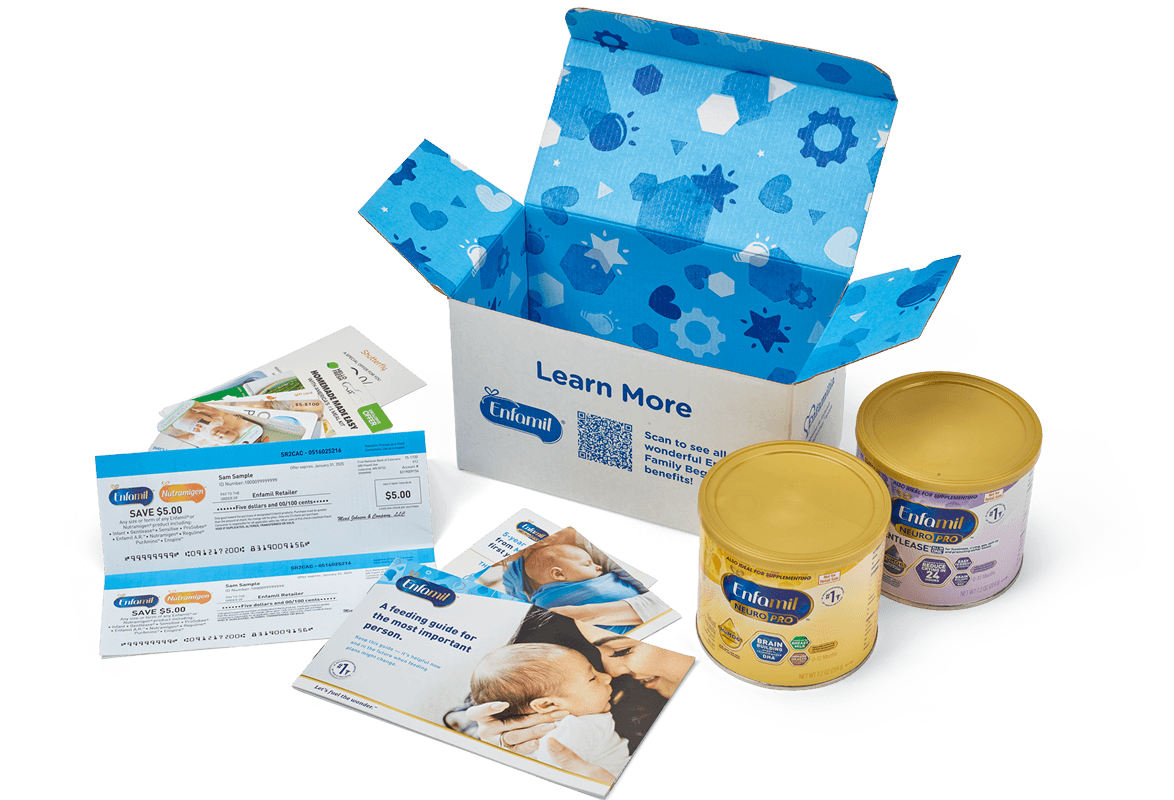
As with most things, practice makes perfect—and rest assured, you’ll get plenty of diaper-changing practice those first couple of years. In no time you’ll be a pro and be able to tackle your baby’s diaper with confidence. For more tips and resources on all things baby, including nutrition and feeding, be sure to join Enfamil Family Beginnings®. Enjoy up to $400 in savings, plus exclusive rewards, support, and surprises.
All information on Enfamil, including but not limited to information about health, medical conditions, and nutrition, is intended for your general knowledge and is not a substitute for a healthcare professional's medical identification, advice, or management for specific medical conditions. You should seek medical care and consult your doctor or pediatrician for any specific health or nutrition issues. Never disregard professional medical advice or delay seeking medical treatment, care, or help because of information you have read on Enfamil.
.png&w=3840&q=75)