Some bumps arrive early, and some take their time.
Last Updated On: July 31, 2026
When do you start showing in pregnancy? There’s no one-size-fits-all answer. One day, your jeans fit fine, and the next, they can feel uncomfortably snug. Some mothers never get a bump at all! Still, if you’re anxious about when your bump will arrive, we’ll cover the average showing timeline below.
“Showing” means your uterus has grown enough that you can visibly see your pregnancy. This doesn’t happen immediately after getting pregnant. If you do feel bigger than usual, it’s often because of bloating due to increased progesterone.1
A real baby bump becomes more noticeable as the uterus rises out of the pelvis and your body makes space for baby.2
Most expectant mothers start showing somewhere between 4 months and 5 months pregnant.2
A few factors can shift that timeline. First pregnancies often show a little later because the abdominal muscles are still firmer, while later pregnancies may show sooner since the body has stretched before. Body type, posture, bloating, and whether you’re carrying one baby or more can also change when a bump becomes visible.
When do pregnant women start showing if this is their second baby or a later pregnancy? Typically, they start showing earlier—maybe even as early as the first trimester.2 This doesn’t mean the baby is developing faster. It just means your body remembers how to be pregnant and gets back into it faster.
Here are a few of the main factors that can affect when you start to show a pregnancy:2
Pregnancy belly growth builds gradually, with the biggest visual changes often showing up in the second trimester.
Whether your bump shows up early, late, or somewhere in the middle, the timeline is still completely normal. No matter when you start showing, your bump is just one small part of the bigger journey. Enfamil Family Beginnings® can support you throughout that journey with helpful pregnancy and baby resources. Having the tools and support you need for infant feeding, whether you plan to breastfeed, express human milk using a breast pump, or feed infant formula, can be one more thing checked off your list before baby arrives.
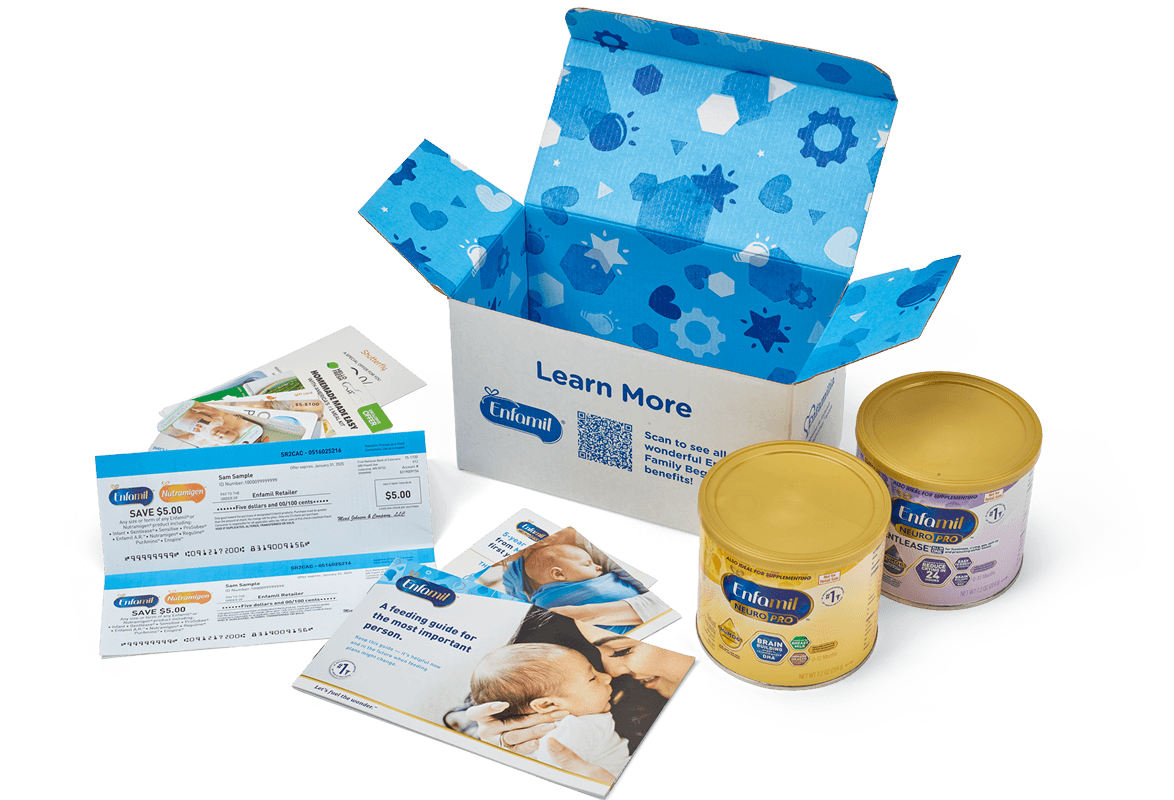
During your pregnancy, you and your baby experience exciting changes every day. Prepare for your new arrival with help from Enfamil Family Beginnings. It’s the perfect resource for new and expecting moms. Save on Enfamil products, track your pregnancy and baby’s growth, and get helpful articles relevant to your journey.
Join NowAll information on Enfamil, including but not limited to information about health, medical conditions, and nutrition, is intended for your general knowledge and is not a substitute for a healthcare professional's medical identification, advice, or management for specific medical conditions. You should seek medical care and consult your doctor or pediatrician for any specific health or nutrition issues. Never disregard professional medical advice or delay seeking medical treatment, care, or help because of information you have read on Enfamil.
.png&w=3840&q=75)