
Accessibility StatementSkip to main content
Enfamil Logo
Baby playing on floor mat as mom plays beside her

Cognitive Activities for Infants: How to Support Brain Development Through Play

From your baby’s first gaze to their first game of peekaboo, everyday play is doing big work behind the scenes for brain development.

What You'll Learn Today

  • Cognitive development in infants covers how babies learn, remember, pay attention, and begin to communicate from birth.
  • Newborn brain development activities focus on eye contact, gentle talking, singing, and safe sensory experiences.
  • Brain development activities for 4-6‑month infants include tummy time, cause‑and‑effect toys, and responding to babbles.
  • Brain development activities for 7-12‑month babies involve peekaboo, stacking and sorting toys, and naming objects during play.
  • Reading, talking, music, sensory play, and movement can support your baby’s cognitive development.

Cognitive activities for infants are everyday moments that help your baby learn, remember, and pay attention—from baby talk and peekaboo to tummy time and simple toys. Brain growth starts at birth and really speeds up in the first year, so small, repeated interactions add up fast.1

In this article, you’ll learn age‑specific brain development activities for infants, easy ways to weave cognition into your daily routines, and how nutrients that support brain development can back up all that play.

What Is Cognitive Development in Infants?

Cognitive development in infants is how your baby learns, thinks, and starts to understand the world. Here’s a better look at the key parts of child cognitive development:

  • Memory formation. Your baby gradually starts to remember familiar faces, routines, and simple patterns—like recognizing you, anticipating feeding times, or calming when they hear a familiar song.
  • Attention span. Over time, your baby can focus on a toy, face, or activity for longer stretches.
  • Problem-solving. Early problem-solving can look like reaching for a toy that rolled away, figuring out how to push a button to make a sound, or experimenting with what happens when they drop something.
  • Early communication. This includes coos, babbles, gestures, and when they’re ready, first words.

These are the things you’ll notice every day. But behind the scenes, brain‑supporting nutrients like DHA and MFGM help support the structure of the developing brain while your baby explores the world.

Key Cognitive Activities by Age and Stage

Different stages of infancy call for different kinds of brain‑building games. Try a few of these brain-building activities for infants, see what clicks with your baby (every baby is different!), and enjoy the journey.

Newborn to 3 Months

In the newborn stage, your baby’s brain is soaking up the world through senses and interactions. Newborn brain development activities focus on bonding, comfort, and gentle stimulation.

  • Eye contact and facial mimicry. Hold your baby close, make eye contact, and let them study your face. Slowly change your expression (smile, raise your eyebrows) and pause so they can respond in their own way.2
  • Talking and singing. Sing songs or hum melodies while cuddling or feeding your baby. The rhythm of your voice and repeated phrases help your baby begin to recognize patterns and sounds.2
  • Gentle sensory stimulation. Offer newborn brain development activities like lightly stroking their hands and feet, showing high-contrast patterns, or providing them with a rattle.3

4-6 Months

Between 4 and 6 months, your baby often becomes more active, curious, and engaged with their environment. Infant stimulation activities at this stage can involve more movement and simple cause-and-effect play.4

  • Tummy time exploration. Tummy time is a chance for your baby to look around, reach, and explore. Place interesting toys or safe household items out of reach so they can practice looking, reaching, and problem-solving.
  • Simple cause-and-effect toys. Think rattles, soft crinkle books, or toys that make a sound when squeezed. When your baby shakes or presses them, they learn that “I do something, and something happens,” which is a classic brain-building activity.
  • Repetitive sounds and babbling games. When your baby makes a sound, repeat it back to them. Turn it into a little “conversation” where they babble and you answer. This back-and-forth supports attention, communication, and the early building blocks of language.5

7-12 Months

By 7 to 12 months, many babies are moving more, experimenting with objects, and showing more obvious signs of memory and problem-solving. Brain development activities for 1-year-olds and older infants can be a bit more interactive.6

  • Peek-a-boo (object permanence). Use a soft cloth or your hands to play peek-a-boo, which will delight your baby with surprises and foster social interaction.6
  • Stacking and sorting toys. Offer simple stacking cups, nesting bowls, or large blocks. Let your baby knock them over, try to stack them, or move them from one container to another.
  • Naming objects during play. As your baby explores toys or household items, name what they’re touching: “ball,” “cup,” “spoon,” “dog.” It may help them with word recognition and memory.

Everyday Brain-Building Games and Activities

Let the giggles and smiles begin! Here are some easy games to play in early childhood development that will bring you closer and support their growing brain.

  • Reading daily. Point to pictures and describe what you see to engage their attention, encourage interaction by asking simple questions about the story or characters, and incorporate different voices or sound effects.
  • Narrating your routines. Talk through everyday moments: “Now we’re putting on your socks,” “We’re washing your hands,” “We’re going to the park.” This constant exposure to language helps build connections between words and experiences.
  • Playing music. Play soft lullabies or classical music during quiet times. Babies also love to hear your voice, so perform your best karaoke while cuddling or feeding.
  • Offering varied textures. Provide materials for sensory play, like rice or pasta, for them to explore. Soft plush toys with varying textures, like smooth, fuzzy, and crinkly surfaces, also stimulate tactile sensation.
  • Encouraging movement. Provide a safe space for rolling, scooting, crawling, or cruising along furniture. Help your little one learn how their body works by letting them push a toy cart, climb over cushions, or explore simple obstacle paths.

How to Stimulate a Newborn Brain One Moment at a Time

You don’t need a perfect schedule of cognitive activities for infants to support your baby’s brain. You’re already doing so much by talking, cuddling, and playing together. Combined with nourishing feeding choices and your everyday care, these interactions can support your baby as they explore the world.

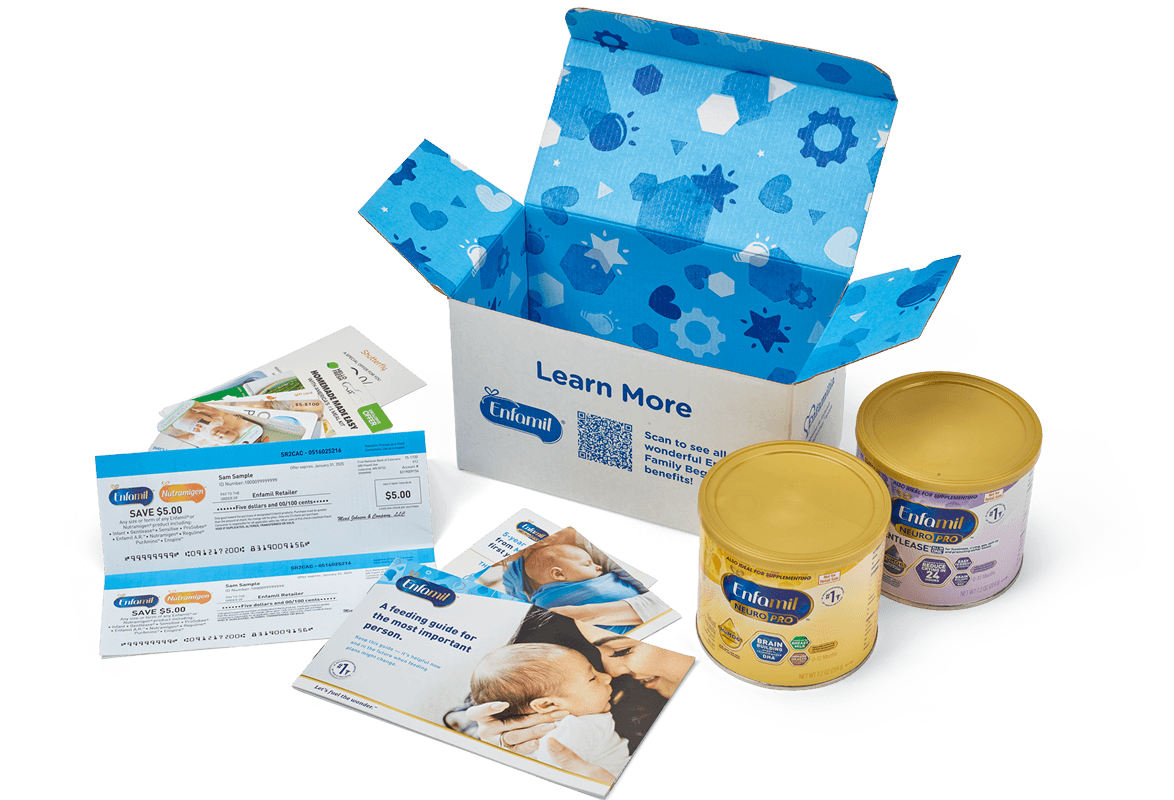
If you’d like more support, ideas, and rewards along the way, you can join Enfamil Family Beginnings® for tips on baby brain development, nutrition, and play tailored to your baby’s age and stage.
FAQs

Share this article
Enfamil ProductsEnfamil Products

Explore Enfamil Family Beginnings® for More Baby Tips

As with most things, practice makes perfect—and rest assured, you’ll get plenty of diaper-changing practice those first couple of years. In no time you’ll be a pro and be able to tackle your baby’s diaper with confidence. For more tips and resources on all things baby, including nutrition and feeding, be sure to join Enfamil Family Beginnings®. Enjoy up to $400 in savings, plus exclusive rewards, support, and surprises.

Join Now

All information on Enfamil, including but not limited to information about health, medical conditions, and nutrition, is intended for your general knowledge and is not a substitute for a healthcare professional's medical identification, advice, or management for specific medical conditions. You should seek medical care and consult your doctor or pediatrician for any specific health or nutrition issues. Never disregard professional medical advice or delay seeking medical treatment, care, or help because of information you have read on Enfamil.